Why
Reduce queues and repetitive manual work.
School screenings require staff to point at charts all day, while students wait—and a fixed chart can be memorized.
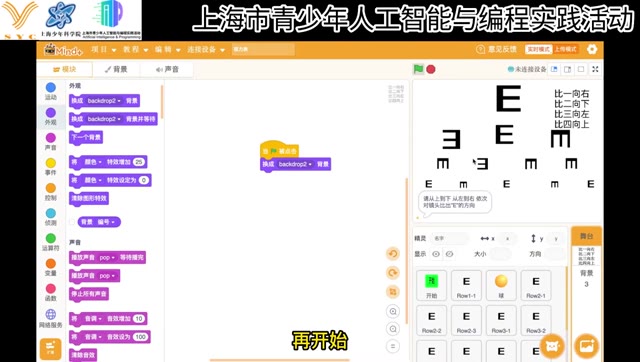
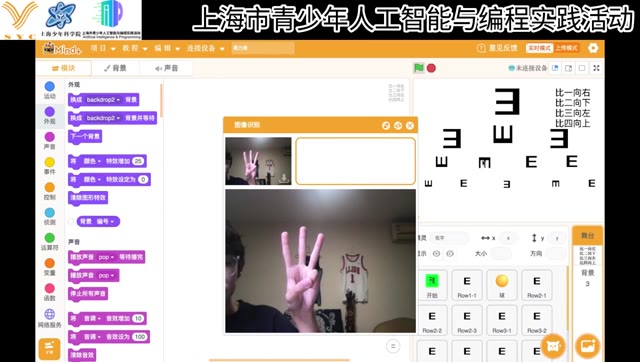
Outcome: a computer-based screening prototype that randomizes the E chart, gives voice prompts, recognizes hand gestures, and returns a result without constant staff operation.
School screenings require staff to point at charts all day, while students wait—and a fixed chart can be memorized.
The program chooses an E orientation, announces the target, captures the student’s gesture, compares it with the answer, and advances.
The project combines available recognition with clear interaction logic instead of building an unnecessary vision model from scratch.

These are proposed next steps, not medical claims.
Account for screen size, resolution, viewing distance, and lighting.
Compare repeatability and agreement with a supervised standard screening.
Upload results securely to school while clearly separating screening from diagnosis.